By Andreas Lemmea and Tom Hanb
a Evonik Operations GmbH, 63457 Hanau, Germany
b Evonik (China) Co., Ltd., 610016 Sichuan, China
Based on many simultaneous dose-response studies, Evonik’s recommendation for the nutritional value of methionine hydroxy analogue (
MHA) relative to that of DL-methionine (
DL-Met) is 65 % (Lemme
et al., 2020). This recommendation is supported by a 2020 publication that not only provides a meta-analysis of recent dose-response trials but also validates the methodology used. This validation reinforces the recommendation that 1 kg of supplemental MHA can effectively be replaced by 650 g DL-Met without compromising animal performance under any production conditions. In fact, simultaneous dose-response trials have been conducted for over 40 years and Evonik’s 65 % bioefficacy recommendation was first established in the 1990s (Jansman
et al., 2003; Lemme
et al., 2007, 2012). Numerous feeding trials have been conducted since then to challenge this recommendation. A recent meta-analysis of such 65:100 challenge trials clearly demonstrates that broiler performance remains unaffected when 65 % DL-Met is used in place of 100 % MHA (Lemme
et al., 2024). Moreover, the meta-analysis revealed that the 65 % bioefficacy concept works consistently with any dietary Met+Cys setting (below, at, above requirement), with any MHA product (free acid, calcium salt), with any source of data (grey, peer-reviewed literature), with any diet type (corn, wheat, corn+wheat based) or with any broiler strain (e.g., Ross 308, Cobb 500). The firm conclusion drawn from all these data is that MHA supplementation can always be replaced with 65 % as much DL-Met without compromising animal performance. This substitution also enables cost savings provided the price ratio of MHA to DL-Met exceeds 65 %.
However, replacing MHA with DL-Met offers an additional opportunity to optimize diet composition, enabling significant feed cost savings. It should be emphasized that this concept starts with a theoretical potential. A detailed analysis of the diet composition is essential to determine the extent to which this potential can be practically realized.
How MHA replacement is related to the ideal protein concept
The term “advanced MHA replacement” aligns with the ideal protein (IP) concept. This concept emphasizes that animals require essential amino acids (EAA) in specific ratios to effectively meet their needs for both growth and for maintenance. While the IP concept is based on dietary digestible amino acids, Lys is usually the reference amino acid meaning all other digestible EAA are expressed relative to digestible Lys. A well established and accepted amino acid profile for broilers is provided with AMINOSpec® Chick 3.2 (Table 1).
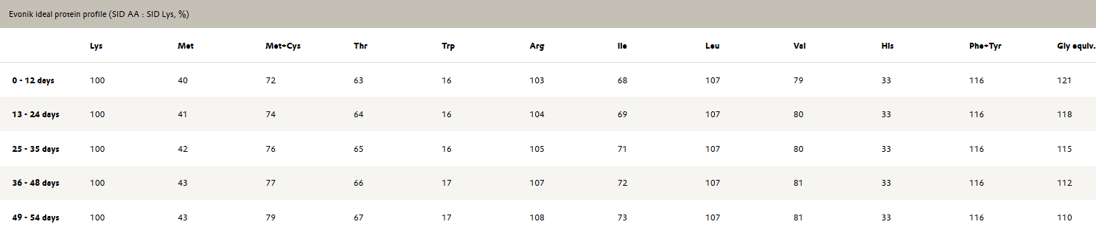
Table 1: Ideal amino acid profile for broilers fed a 5-phase feeding program suggested by AMINOSpec® Chick 3.2
As shown in Table 1, the suggested ratios of EAA to standardized ileal digestible (SID) Lys change with age. Accordingly, for example, the SID Met+Cys:Lys ratio increases from 72 % in starter feed to 79 % in finisher feed. This can be explained by changing proportions of SID Met+Cys requirements for growth and for maintenance purposes. It should also be noted that ratios for semi-essential Glyequivalents (SID Gly + 0.714 * SID Ser) to Lys are defined but they shrink as birds are getting older because of increasing capacity for de-novo synthesis of Gly and Ser.
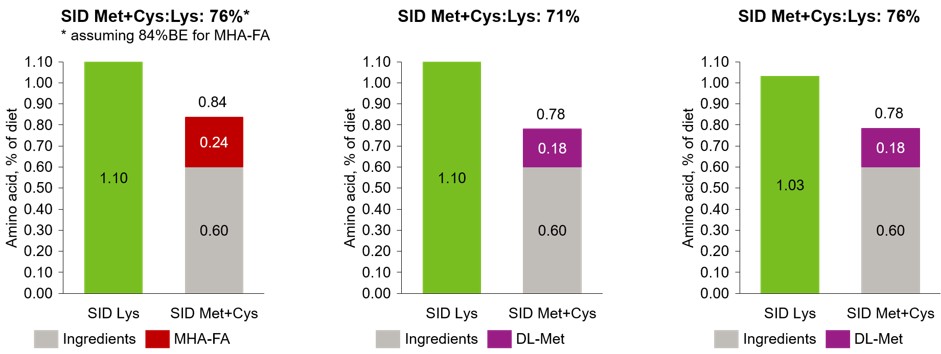
Figure 1: The overestimation of the nutritional value of MHA supplementation also means an overestimation of dietary SID Met+Cys and SID Met+Cys:Lys ratio and allows for adjustment of the entire essential amino acid profile when replacing MHA with DL-Met in a 100:65 weight ratio in a 25-35 day broiler feed.
In the context of MHA replacement with DL-Met, the SID Met+Cys:Lys ratio is of particular relevance. The nutritional value of MHA is often overestimated, which leads to an overestimation of the overall dietary SID Met+Cys levels and, consequently, the SID Met+Cys:Lys ratio.
The scenario displayed in the left graph of Figure 1 illustrates the nutritional goal of a nutritionist who uses MHA while applying a bioefficacy of 84 % for MHA to meet SID Met+Cys recommendations. The targeted amino acid levels are 1.100 % SID Lys and 0.836 % SID Met+Cys achieving an SID Met+Cys:Lys ratio of 76 %. In this scenario, the ingredients contribute 0.60 % SID Met+Cys leaving a gap of 0.236 % SID Met+Cys that needs to be covered using supplemental MHA. Assuming a bioefficacy of 84 % for MHA, the nutritionist assumes that each kg of MHA provides 840 g SID Met+Cys. Consequently, 0.281 % MHA is supplemented to bridge the gap (0.236 / 0.84 = 0.281).
Based on the concept of 65 % bioefficacy for MHA, 0.281 % MHA can be replaced by 0.183 % DL-Met without compromising animal performance. The middle graph in Figure 1 shows that the addition of 0.183 % DL-Met to the SID Met+Cys from ingredients results in a total of 0.783 % SID Met+Cys instead of the originally targeted 0.836 %. Consequently, the SID Met+Cys:Lys ratio decreases to 71 %, indicating that this ratio was overestimated when using MHA. The magnitude of this overestimation, however, depends on the assumed bioefficacy for MHA and the extent of the SID Met+Cys gap that needs to be filled by supplemental MHA.
The Nutritional Value Calculator available at
www.metamino.com can help nutritionists identify the magnitude of SID Met+Cys overestimation.
The AMINOSpec® Chick 3.2 recommendation for 25–35-day-old broilers specifies a SID Met+Cys:Lys ratio of 76 %. According to the middle graph of Figure 1, the SID Met+Cys:Lys ratio is lower than 76 % but approximately 71 % when using DL-Met. This indicates a relative oversupply of SID Lys along with an excess of all EAA. Consequently, the SID Lys specification can be reduced to a level that aligns with the recommended SID Met+Cys:Lys ratio of 76 %.
In the example shown in the right graph of Figure 1, SID Lys can be reduced from 1.10 % to 1.03 %, which is about 6 % lower. This adjustment is not limited to SID Lys specifications, but all other EAA can be reduced to meet the IP profile. In a feed formulation this would most likely result in substantial diet cost reductions.
The difference between a theoretical potential and a realistic saving scenario
Indeed, the scenario described in Figure 1suggests an opportunity to adjust the dietary amino acid profile. However, whether such adjustment can be implemented without affecting the performance of the animals depends on whether the specified amino acid levels and ratios meet or exceed the requirements of the broilers.
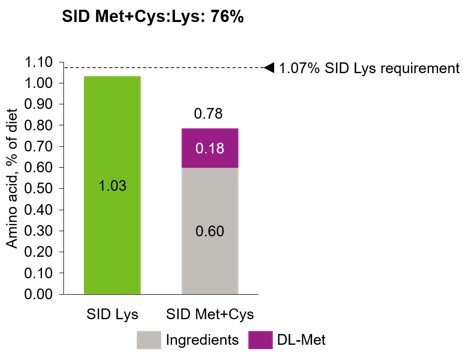
Figure 2: An overestimation of the SID Met+Cys requirement may result in lower-than-required SID Lys in the case of full EAA adjustments after replacing MHA-FA with DL-Met in a 100:65 weight ratio
Under practical conditions, the ideal SID Met+Cys:Lys ratio may slightly differ from the actual recommendation. What would happen if the SID Met+Cys requirement is overestimated or exceeded in the broiler feed as assumed in the scenarios displayed in Figure 1? What if the optimal SID Met+Cys:Lys ratio is not 76 % but only 73 %? Such a discrepancy may occur due to several factors, including, for example, optimal production conditions that reduce the maintenance Met+Cys requirement of broilers or Met+Cys matrix values for feed ingredients that differ from analysed values. Of course, broiler performance will not be negatively affected when DL-Met is used to replace MHA-FA provided the 65 %-bioefficacy concept is applied (Figure 1, middle graph). However, if the adjustment of SID Lys and all EAA still assumes an optimal SID Met+Cys:Lys ratio of 76 %, the resulting SID Lys level of 1.03 % is 0.04 % lower than the optimal level of 1.07 % SID Lys. Consequently, 1.03 % SID Lys along with all EAA would become limiting amino acids, certainly impairing broiler performance.
Moreover, assuming an SID Met+Cys:Lys of 76 % suggests a potential of 0.07 % SID-Lys reduction to 1.03 %. However, compared to 1.10 % SID Lys, the theoretical potential of 0.07 % SID Lys reduction can only be realized by 42 % (1.07 % vs 1.03 %).
These findings highlight the importance of exercising caution when adjusting SID Lys and EAA levels during the replacement of MHA-FA with DL-Met. Despite this, there remains a significant potential for reducing SID Lys and EAA levels, which could lead to notable feed cost savings—on top of the cost benefits of using DL-Met instead of MHA-FA.
What could be a realistic adjustment of SID Lys and EAA combined with an MHA replacement by DL-Met?
To address this question a broiler feeding trial was conducted at the Poultry Testing Station, Ustasice, Czech Republic (Table 2). Standard starter (1-8d), grower 1 (9-16d), grower 2 (17-24d), and finisher diets (25-35d) were formulated according to AMINOSpec® Chick 3.2 recommendations (see Appendix for details).
- In treatment 1, liquid MHA-FA was used for balancing SID Met+Cys and a bioefficacy of 88 % was assumed for MHA-FA.
- MHA-FA was replaced with DL-Met in a 100:65 weight ratio in Treatment 2. The SID Met+Cys:Lys ratios of starter, grower 1, grower 2, and finisher diets were 64, 65, 67, and 68 %, which were considerably lower than the targeted 72, 73, 74, and 76 % in Treatment 1.
- In Treatments 3 to 5, SID Lys and all EAA were gradually adjusted. Accordingly, the adjustments represented 25, 50, and 75 % of the entire theoretical potential for the individual feeding phases. Reducing the SID Lys and EAA levels but maintaining the SID Met+Cys specification at the same time led to gradually increased SID Met+Cys:Lys ratios.
- In a further set of treatments (6 to10), the diets were formulated using the same specification as those of treatments 1 to 5, except for methionine source supplementation. The supplementation of MHA-FA and DL-Met was halved in order to ensure a marginal SID Met+Cys supply. Accordingly, SID Met+Cys:Lys ratios in starter, grower 1, grower 2 and finisher diets of Treatment 7 were 54, 55, 56, and 59 % and increased to 58, 59, 60, and 62 % in Treatment 10.
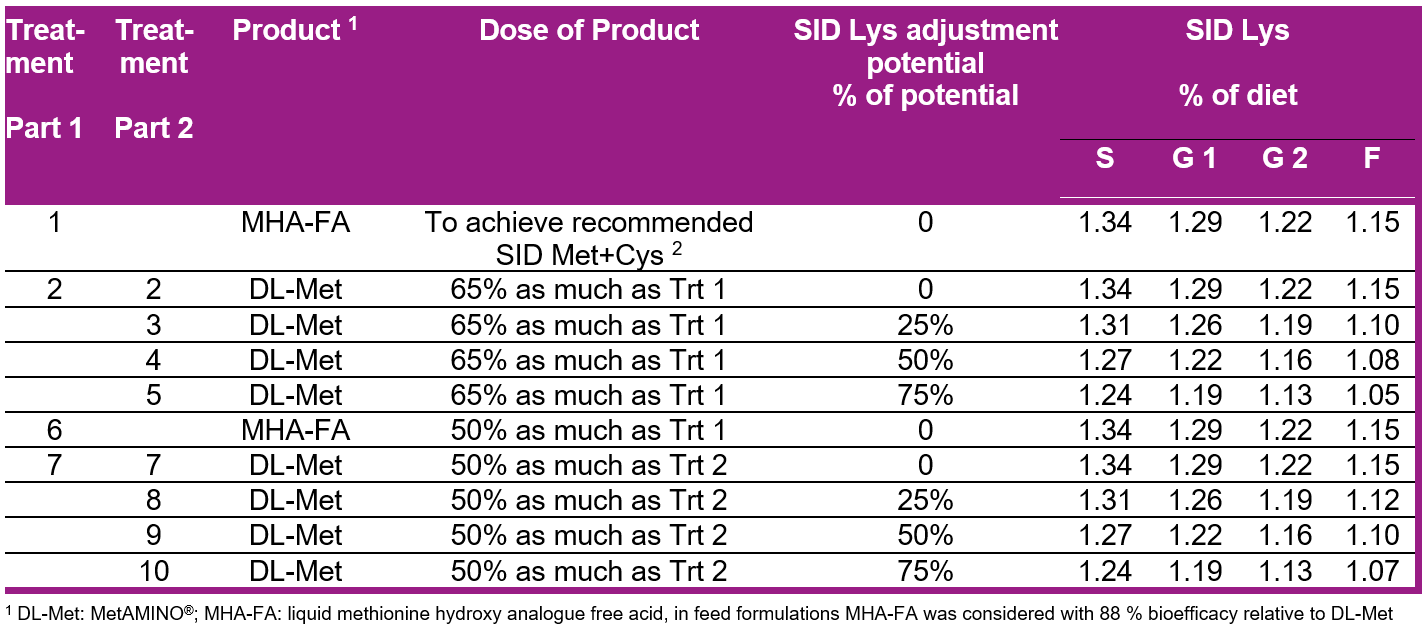
Table 2: Experimental design of a broiler feeding trial in which liquid MHA-FA was replaced with DL-Met with different degrees of SID Lys adjustments.
Experimental feed formulations were adjusted to reflect amino acid and proximate analyses (AMINONIR®) of corn, wheat, soybean meal, and rapeseed meal (see Appendix for details). All experimental diets were analysed for amino acids, MHA-FA, free DL-Methionine and proximates content (AMINOLab®, AMINONIR®). Analytical results confirmed calculated values. Diets were mixed and pelleted at the feed mill of the Poultry Testing Station.
A total of 8,400 mixed-sex day old Ross 308 broiler chicks with an average weight of 47.3±0.86 g/chick (mean±SD) were equally assigned to 60 floor pens with 140 birds each. Wood shavings were used for bedding in the pens of 8.15 sqm (17.2 birds/sqm). The barn was fully climate controlled, and the temperature program was set according to the Ross broiler manual. Water and feed were supplied ad libitum.
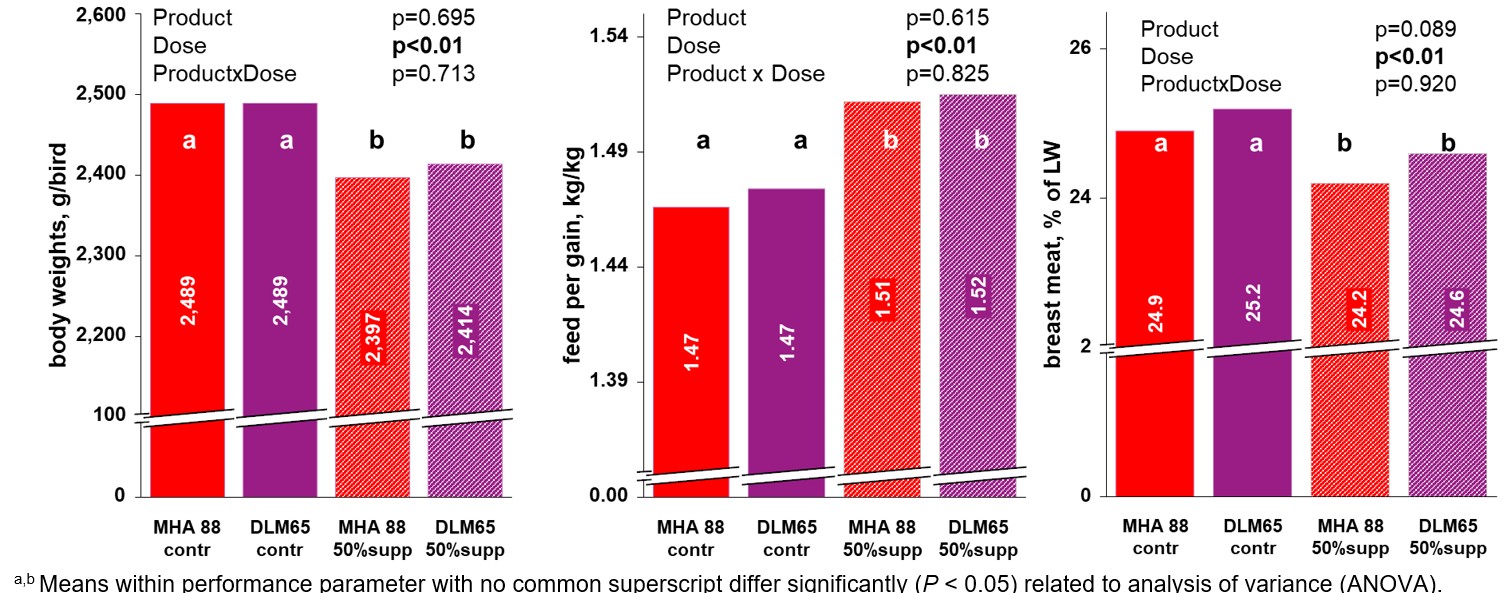
Figure 3: Final body weight (left), feed conversion corrected for mortality (middle) and breast meat yield (right) of broilers fed diets supplemented with liquid MHA-FA (MHA 88) or DL-methionine (DLM65) in a 100:65 weight (Treatments 1, 2, 6 and 7) ratio either to meet AMINOSpec® Chick 3.2 specifications or with 50 % reduced product dose.
Feed consumption and body weights were determined after each feeding phase. Feed conversion ratio (FCR) was corrected for mortality. At the end of the experiment, 4 male and 4 female broilers were selected for carcass evaluation from each pen. Carcass, breast meat, and thigh weights, as well as abdominal fat weights, were determined and related to live weight. Data were analysed by two-way ANOVA with interactions. For this purpose, data were split into Part 1(Treatments 1,2 5, and 6) and Part 2 (Treatments 2,3,4,5,7,8,9, and 10) (see Table 2). Treatment differences were considered significant with P < 0.05 (Tukey).
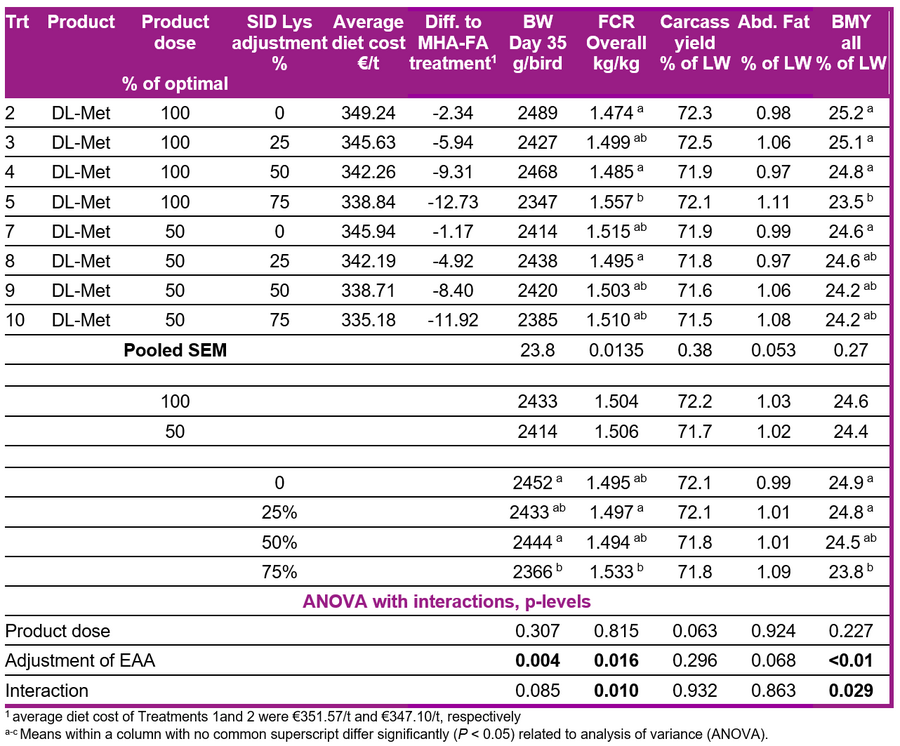
Table 3: Final body weight (BW), feed conversion ratio (FCR), carcass yield, abdominal fat, and breast meat yield (BMY) of broilers fed experimental diets differing in both the dosage level of DL-Methionine and the degree of dietary adjustment of EAA levels to increase SID Met+Cys:Lys ratios
Results shown in Figure 3 confirm earlier findings that replacing MHA-FA with DL-Met in a 100:65 weight ratio allowed for the same growth, feed conversion ratio and meat yield (Lemme
et al., 2024). Even at marginal SID Met+Cys levels (50 % product supplementation), no performance difference between the MHA-FA and DL-Met treatments were observed validating the statement that the 65 % bioefficacy concept is successfully applicable under nutritionally sensitive test conditions. The absence of statistical interactions (
P > 0.05) substantiates the independency of the 65 % bioefficacy concept from dietary Met+Cys supply.
Adjustments of SID Lys and EAA had an impact on broiler performance (Table 3). Statistically, an adjustment of SID Lys and EAA by up to 50 % did not negatively impact broiler performance in any respect.
In contrast, 75 % adjustments resulted in lower final body weights, a higher feed conversion ratio, and a reduced breast meat yield (P < 0.05). Although these effects were more pronounced at higher product supplementation levels (interaction: P < 0.05), it indicates that the amino acid supply limited broiler performance in Treatments 5 and 10. It is concluded that it is not advisable to reduce SID Lys and EAA by more than 50 % of the theoretical potential for diets used in this trial. It can be speculated whether dietary SID Met+Cys in the control diets exceeded the actual requirement, or whether other SID EAA were below the requirement levels. This imbalance may have led to an overestimation of the potential for dietary adjustments. Notably, the final body weights across all treatments exceeded the breeder performance objectives (Aviagen, 2021; 7.5 to 14 % above). In conclusion, it will be challenging to identify the potential for SID Lys and EAA adjustments alongside an MHA replacement under commercial conditions. It is therefore not recommended to apply the full theoretical potential immediately, but rather to approach it step-wise.
Interestingly, broiler performance at 50 % reduced DL-Met supplementation (Treatments 6-10) did not differ significantly from that at 100 % DL-Met supplementation (Treatments 1-5), as shown in Table 3 although statistical analysis conducted for Treatments 1, 2, 6, and 7 (Figure 3) showed significant effects. In any case, the performance reduction was not strongly pronounced, and it can be speculated whether the SID Met+Cys requirement for growth was low because of excellent production conditions.
Even though only 50 % of the theoretical potential for adjusting dietary SID Lys and EAA along with the replacement of MHA-FA with DL-Met in a 100:65 weight ratio allowed for similar performance compared to the MHA control, feed cost savings of up to €9.31/t were achieved (Table 3). These savings were almost €7.00 higher compared to simple product replacements (Treatments 2 and 7), assuming a DL-Met price of €2.50/kg and an MHA-FA price of €2.00/kg.
Trials under real commercial conditions revealed promising outcomes
The concept of combining an MHA replacement with an adjustment of SID Lys and EAA has been applied in three consecutive broiler feeding trials in China. These trials were conducted in commercial barns equipped with cage systems, a common practice in China’s broiler production. The first trial included 2 x 4 houses with about 31,400 broilers each, the second 2 x 3 houses with 30,800 broilers each, and the third trial included 2 houses with 31,500 broilers each. While the broiler fattening is done in a 5-phase feeding program, MHA-FA was only used in the final 3 phases. Therefore, the experimental concept was tested from 19 to 42 days. It is worth mentioning that the Chinese broiler nutrition concept differs from the rest of the world, insofar as diets are nutritionally very dense in the later phases. Accordingly, both metabolizable energy and levels of essential amino acids are high. For example, metabolizable energy levels of 3,200 up to 3,500 kcal/kg are common practice in these grower and finisher phases, accompanied by crude protein contents of 24-25 %.
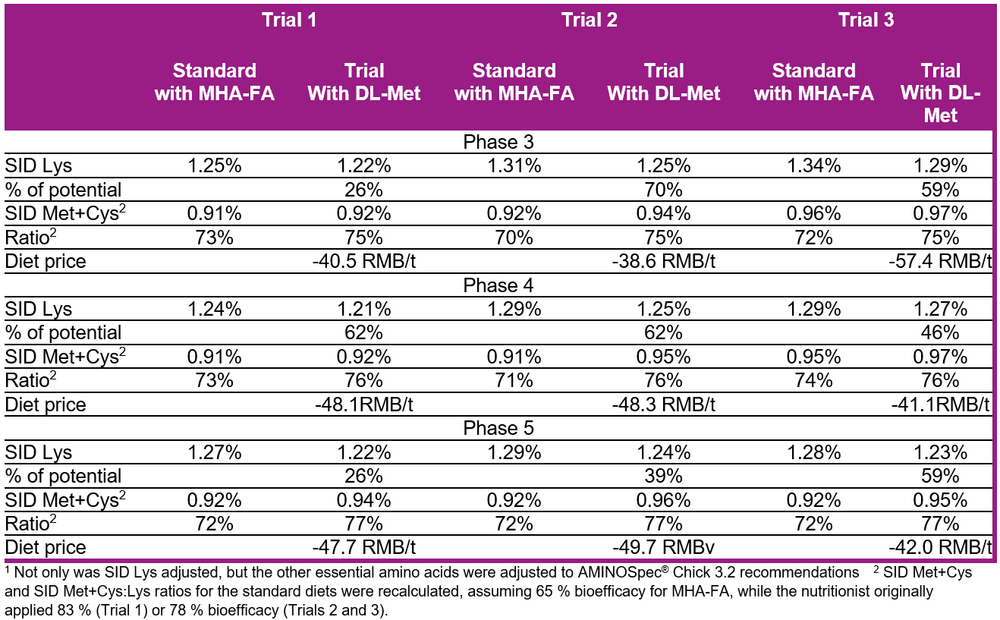
Table 4: Key feed specifications for adjustments of SID Lys1 along with MHA-FA replacement with DL-Met in a 100:65 weight ratio applied in 3 consecutive broiler trials in China
Following the concept discussed above, adjusted specifications levels for SID Lys were reduced by between 0.02 and 0.06 % (Table 4). Referring to the theoretical adjustment potential, the trial diets realized between 26 and 70 % to this adjustment. This rather wide range is explained by the fact that at the same time the recommended AMINOSpec® Chick 3.2 amino acid profile was targeted in the trial diets and which differed from the amino acid profile used in the commercial feeds. For example, the SID Val and SID Ile levels were increased between 0.01 and 0.03 % and affected the degree of adjustment with respect to diet cost. The price ratio between MHA-FA and DL-Met was 72 % and, therefore 11 % (Trial 1) and 6 percentage points lower (Trials 2, 3) than the applied technical bioefficacy of 83 and 78 %, respectively. All adjustments together allowed for feed cost reductions between RMB 38.6–57.4/t equivalent to about €5.0–7.5/t (Table 4).
Feed sample analyses reflected variations for single amino acids which are of no surprise in commercial feed production operations with high throughput. However, in general the analyses confirmed the concept of methionine product replacement and EAA adjustments.
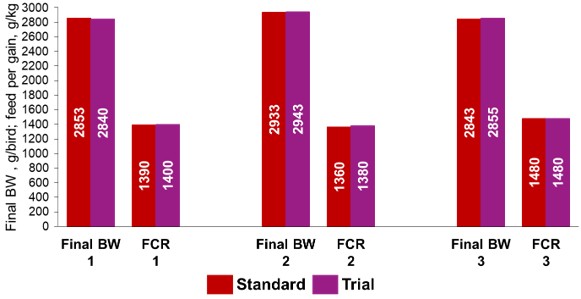
Figure 4:Average final body weights and feed conversion ratios of three commercial feeding trials with broilers grown in cage systems.
The results of the three consecutive trials using a total of about 500,000 broilers confirmed that this concept of adjustment of EAA along with the replacement of MHA with DL-Met does not compromise performance (Figure 4), but allows for substantial feed cost savings, as indicated in Table 4. The outcome also suggests that amino acid nutrition needs to be handled holistically, particularly in the context of MHA replacement, because the success of adjustments depend on optimal dietary levels of each EAA.
Conclusion
In broiler feed, MHA can be replaced with DL-Met in a 100:65 weight ratio without compromising performance. This concept has been successfully established for decades (Lemme et al., 2024) and enables further dietary amino acid adjustments. Such adjustments can lead to substantial feed cost savings beyond the savings achievable through product exchange alone. However, feeding trials indicate that such amino acid adjustments need to be implemented with caution as the full theoretical potential may not always be realized. Several reasons contribute to this limitation. For instance, the actual SID Met+Cys requirement may differ from that assumed for the diet formulation. Additionally, safety margins added to the SID Met+Cys matrix values of the macro ingredients or specifications for other EAA (or nutrients in general) may interact. Basically, the nutritional principle that the performance level will be determined by the first limiting factor remains critical. Nevertheless, two trials have demonstrated that even minor adjustments of EAA specifications, along with MHA replacement, can yield attractive feed cost savings. These findings highlight the potential benefits of optimizing amino acid levels alongside product substitution in broiler diets.
References
Jansman, A.J.M., Kan, C.A., Wiebenga, J., 2003, Comparison of the biological efficacy of DL-methionine and hydroxy-4-methylthiobutanoic acid (HMB) in pigs and poultry, CVB documentation report nr. 29, Centraal Veevoederbureau, Lelystad, The Netherlands, pp56.
Lemme, A., Li, Z., Dorigam, J., 2024, Meta-analyses of methionine source concept validation trial in broilers, animals 14, 1771, doi.org/10.3390/ani14121771
Lemme, A., Naranjo, V., de Paula Dorigam, J.C., 2020, Utilization of methionine sources for growth and Met+Cys deposition in broilers, animals 10, 2240, doi:10.3390/ani10122240
Lemme, A., Helmbrecht, A., Mack, S., 2012, Commercial methionine sources in poultry, AMINONews® Review, Evonik Industries, pp36.
Lemme, A., Petri, A., Redshaw, M., 2007, What’s new about commercial methionine sources in poultry, AMINONews™, Degussa, pp36.
APPENDIX
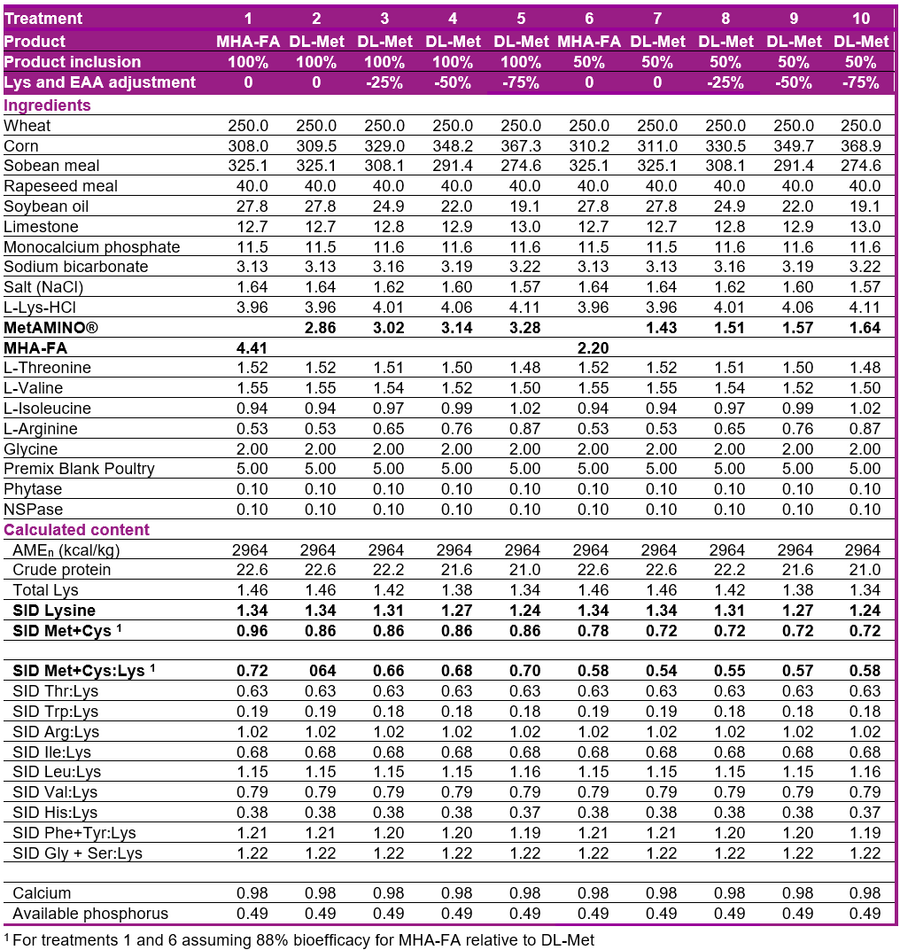
Table 1: Ingredients (g/kg) and nutrients (kcal/kg; %) of the experimental starter diets (days 1 - 8)
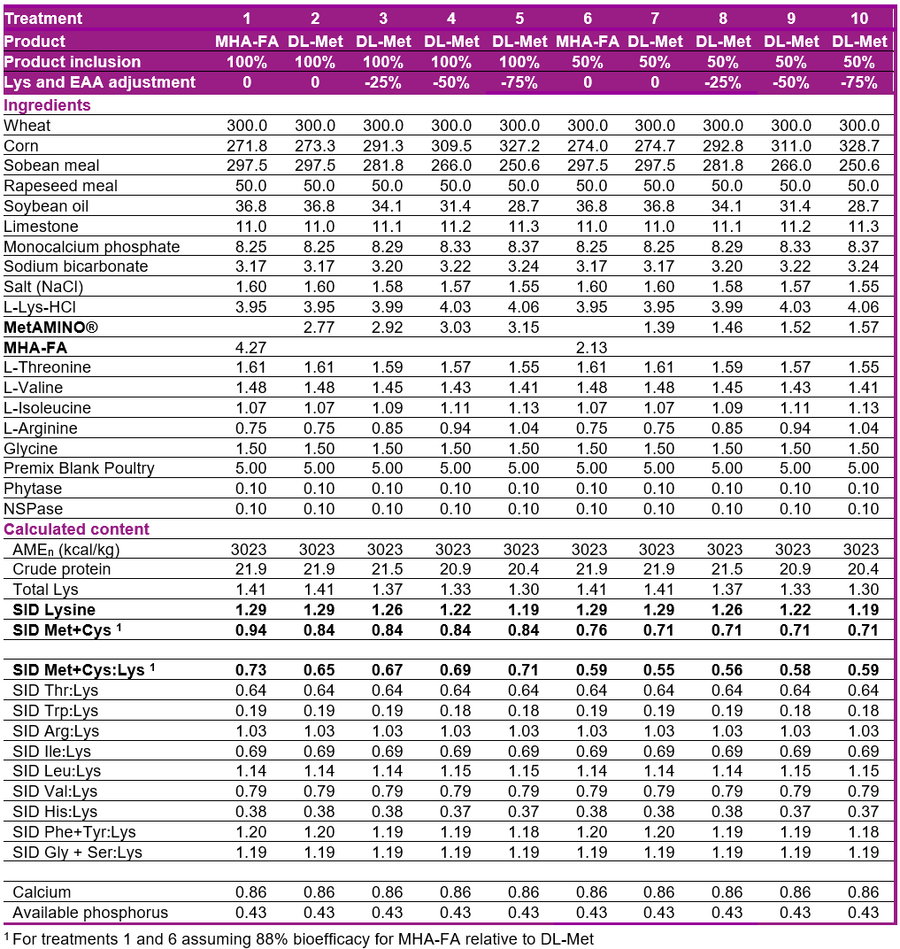
Table 2: Ingredients (g/kg) and nutrients (kcal/kg; %) of the experimental grower 1 diets (days 9 - 16)
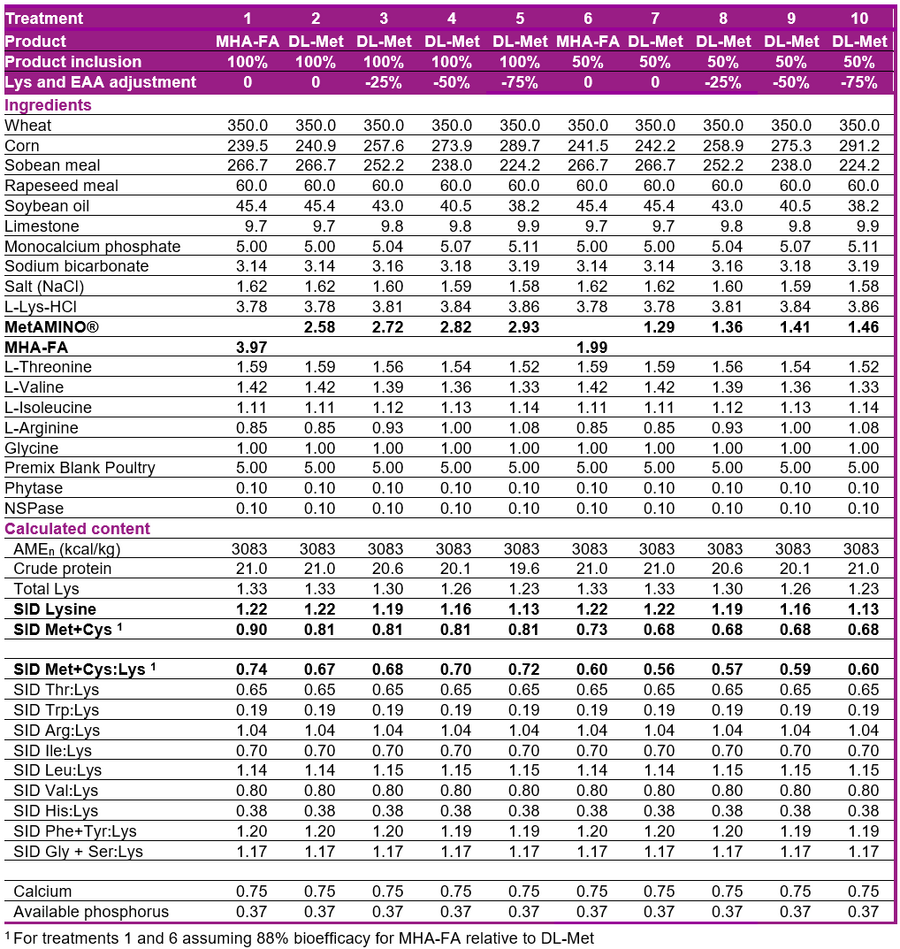
Table 3: Ingredients (g/kg) and nutrients (kcal/kg; %) of the experimental grower 2 diets (days 17 - 24)
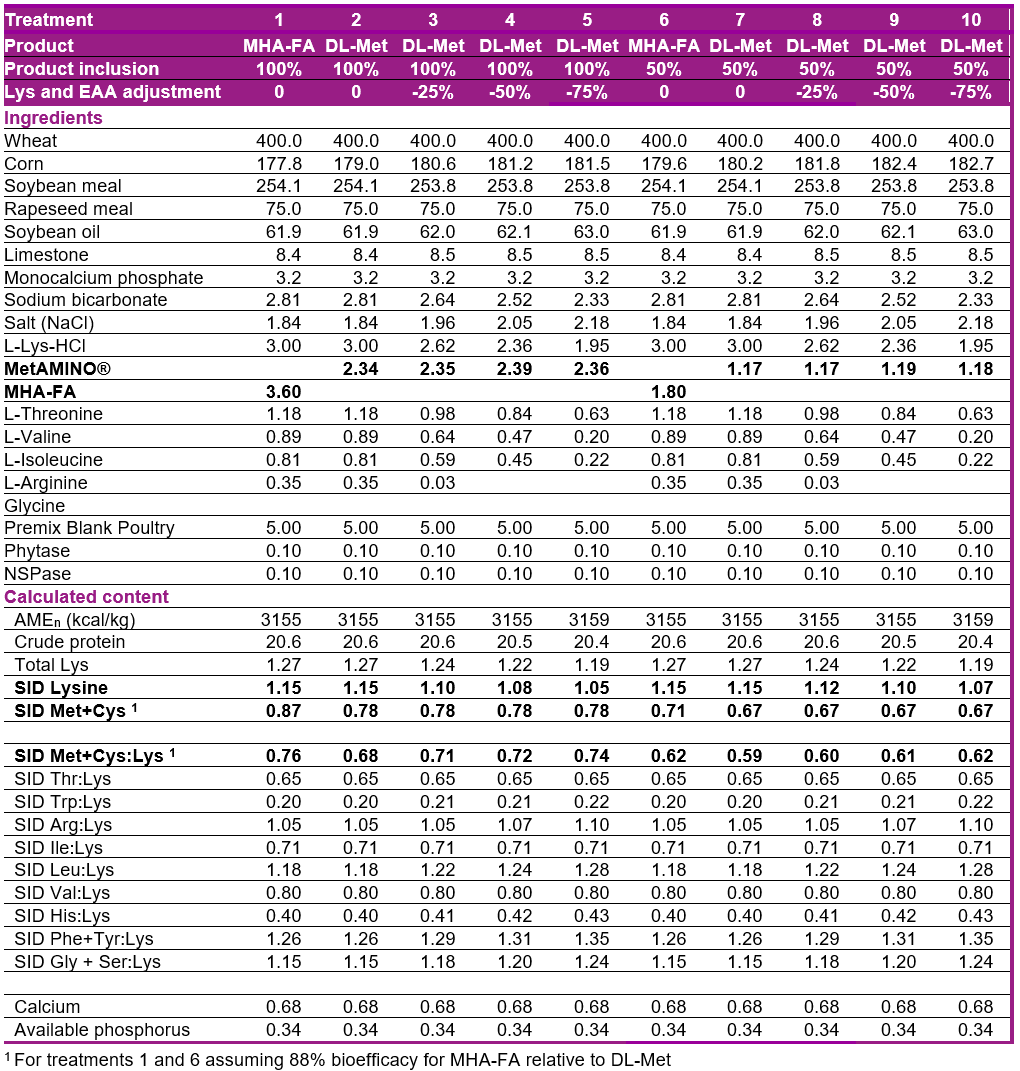
Table 4: Ingredients (g/kg) and nutrients (kcal/kg; %) of the experimental finisher diets (days 25 - 35)
The content of this document is for the information and assistance of Evonik’s customers and is not applicable to products marketed or sold in the United States. Evonik markets its products in compliance with applicable local laws, but it is the user’s responsibility to ensure that the use of and any claims made for this product comply with all relevant requirements. This document may not be published in the United States without the express written consent of Evonik Operations.